


Assessment IN ATLANTA, GA Tree Risk
You cannot always predict the weather, but you can anticipate the risks on your property in Atlanta, GA. When you are proactive with your tree care, you can often prevent serious damage down the line. Our professional arborists at TreeJob of Atlanta, GA are TRAQ (Tree Risk Assessment Qualified) certified. We can determine if your trees are old, damaged, diseased, or dangerously close to your home. If a tree endangers your home or property, we will recommend removal. Keep your family safe by having your trees assessed before they can become a problem.
Choose Your Service Level
Choose Your Budget
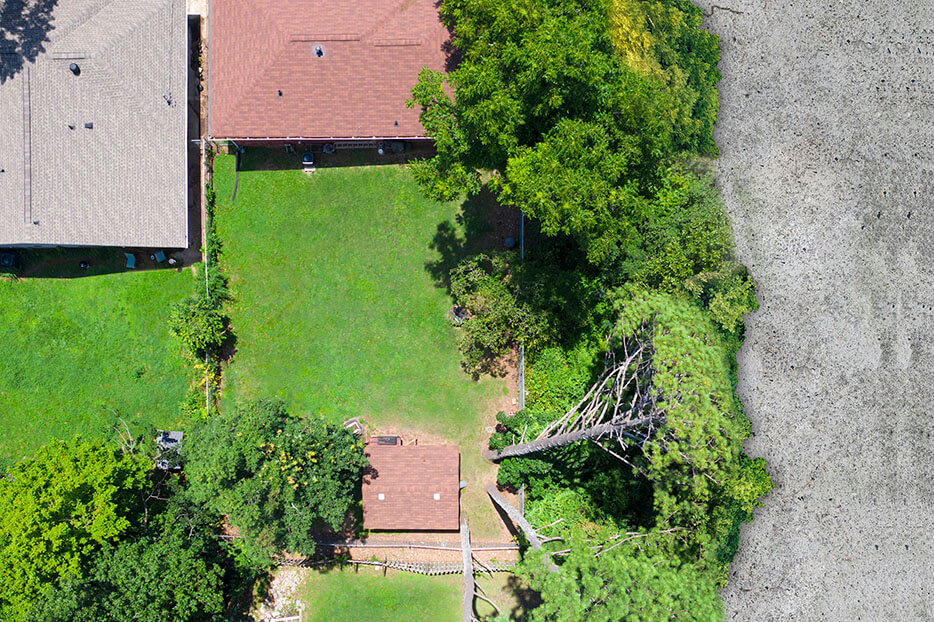
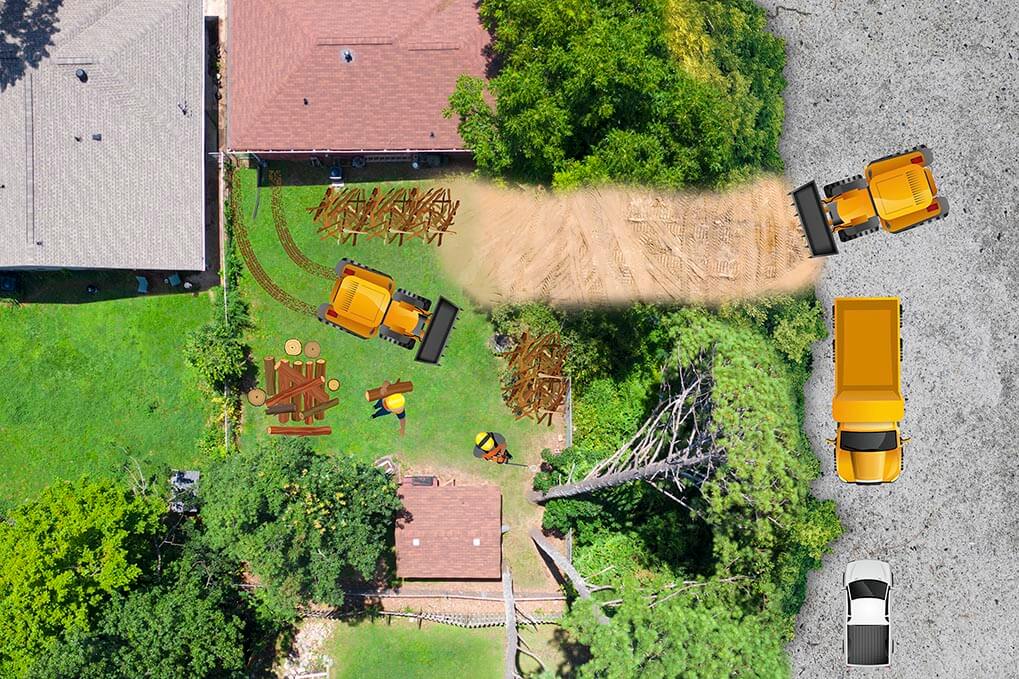
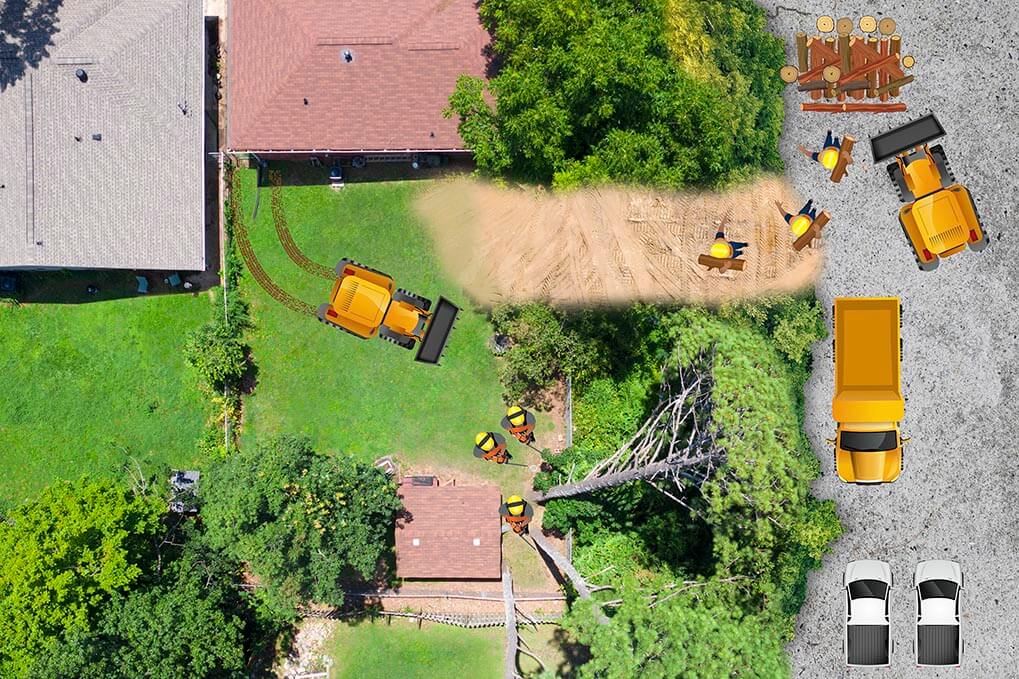
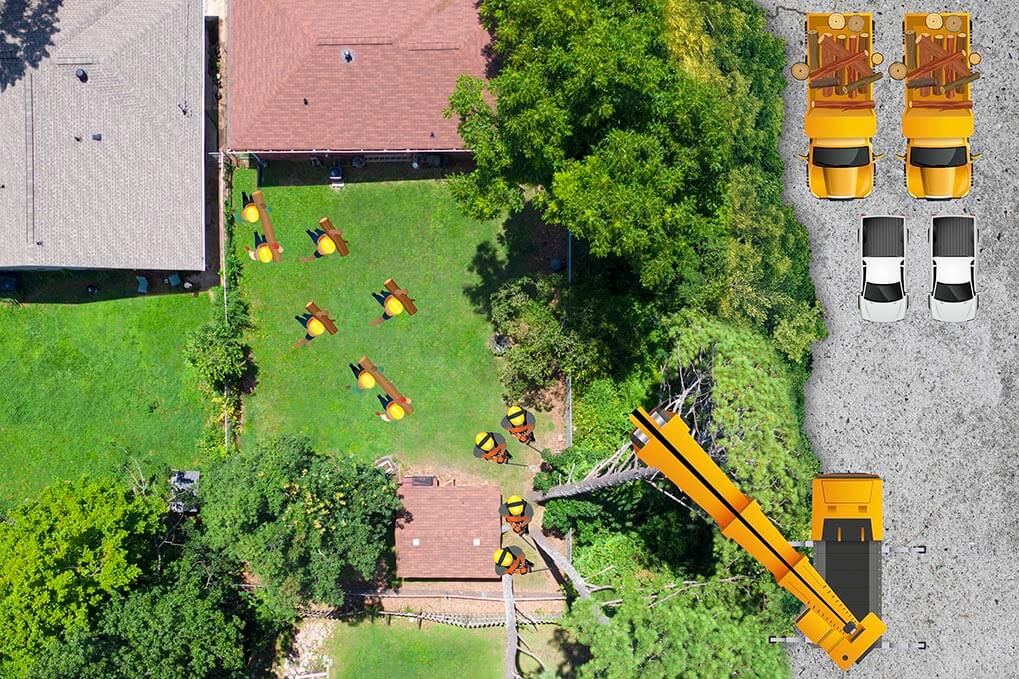
- Trees removed by cut and drop
- Debris left where it falls for NATURE
- Equipment access is available
- Minimal pruning for tree health
- Reduced landscape impact
- Debris moved with equipment
- Equipment use as needed
- Class B pruning
- Mulch in designated area or hauled
- Minimal landscape impact
- Most debris moved by hand or dolly
- Equipment use strictly managed
- Debris processed on site or hauled
Featured Content
Trees can add aesthetic and practical benefit to your yard. However, not all trees are helpful for your yard. If a tree is old, diseased,...
Mulch can be extremely beneficial for your trees if placed properly. As the saying says, there can be “too much of a good thing.” Mulch...
We care deeply about trees so we will never recommend removal unless there is a serious risk for your home or property in Atlanta, GA. Before taking any action, we will make sure you understand all your possible options for mitigating the risk. In some cases, maintenance may address the issue without needing removal. We will give you a clear estimate and timeline when removal is necessary. Your insurance may cover the removal. You deserve the best possible payout so our experienced team will help you navigate the insurance process. Before your trees become a dangerous problem, reach out to TreeJob for a consultation. We are standing by to help!
We offer tree risk assessment services also in Marietta, Smyrna, Alpharetta, GA, and the surrounding areas.
Stay Informed
Customer Reviews
Frequently asked QUESTIONS
Who performs tree risk assessments?
Certified arborists typically perform tree risk assessments by evaluating tree health, structure, and potential hazards. In Atlanta, TreeJob’s experienced professionals use industry standards to identify risks and recommend solutions, helping homeowners maintain safe, healthy trees and prevent damage to their property and surroundings.
What does a tree risk assessment include?
A tree risk assessment includes evaluating the tree’s health, structure, root stability, and potential hazards to nearby property or people. In Atlanta, TreeJob’s certified arborists conduct thorough inspections to identify risks and recommend safe, effective solutions to maintain tree health and safety.
What are the 4 levels of tree risk assessment?
The four levels of tree risk assessment are: limited visual, basic, advanced, and invasive. In Atlanta, TreeJob’s certified arborists determine the appropriate level based on tree condition and location, ensuring accurate evaluations and effective solutions to maintain safety and tree health in your landscape.
What is the purpose of the tree risk assessment?
The purpose of a tree risk assessment is to identify potential hazards, such as falling branches or instability, that could threaten people or property. In Atlanta, TreeJob uses expert evaluations to ensure your trees are safe, healthy, and properly managed for long-term stability.
Why is tree risk assessment important?
Tree risk assessment is important to detect hazards early, prevent accidents, and protect property. In Atlanta, where storms and dense tree cover are common, TreeJob provides expert assessments to ensure trees remain safe, stable, and healthy, giving homeowners peace of mind year-round.
What factors are considered during a tree risk assessment?
During a tree risk assessment, factors like tree species, health, structure, root stability, and proximity to people or property are evaluated. In Atlanta, TreeJob’s certified arborists carefully assess environmental conditions and potential hazards to provide accurate recommendations for tree safety and long-term health.
What are the possible outcomes of a tree risk assessment?
Possible outcomes of a tree risk assessment include recommendations for pruning, cabling, monitoring, or removal if necessary. In Atlanta, TreeJob’s expert assessments help homeowners make informed decisions to reduce risk, enhance safety, and maintain the health and longevity of their trees and landscape.
How often should tree risk assessments be conducted?
Tree risk assessments should be conducted every 1–3 years, or after major storms or visible changes in tree health. In Atlanta, TreeJob recommends regular evaluations to catch early signs of risk, ensuring your trees remain safe, stable, and well-maintained in changing weather conditions.
What tests are used in a tree risk assessment?
Tree risk assessments may include visual inspections, root crown evaluations, resistance drilling, and sonic tomography to detect internal decay or weakness. In Atlanta, TreeJob uses advanced tools and techniques to accurately assess tree stability, helping homeowners make informed decisions about tree care and safety.
When should I schedule a tree risk assessment?
You should schedule a tree risk assessment if you notice dead branches, leaning trunks, or after storms. In Atlanta, TreeJob advises regular assessments for older trees or those near structures to catch potential hazards early and maintain a safe, healthy landscape year-round.
Talk to a Tree Advisor